Should You Vaccinate an Indoor Cat That Never Goes Outside

Short answer: yes. Most vets will tell you the same thing, and the reasoning is more practical than you might expect. Your cat lives indoors, never touches another animal, and rarely even sees a window. So why does it need a vaccine? The answer comes down to one simple fact: the outside world has a way of finding its way in, whether you invite it or not.
This post breaks down what the science and veterinary guidelines actually say, which vaccines matter most for indoor cats, what happens if you skip them, and what products can help you stay on top of your cat's health at home.
What Vets Actually Recommend
The American Association of Feline Practitioners (AAFP) and the American Animal Hospital Association (AAHA) both recommend that all cats receive "core" vaccines, regardless of whether they live indoors or outdoors. These aren't just suggestions from overly cautious organizations. They're based on decades of data on how cats get sick, and the results may surprise you.
Core vaccines are defined as those that protect against diseases serious enough, and transmissible enough, that every cat should have them. For indoor cats, that list includes:
FVRCP (Feline Viral Rhinotracheitis, Calicivirus, and Panleukopenia). This combination vaccine covers three highly contagious viruses. Panleukopenia, also called feline distemper, is particularly dangerous. It can survive on surfaces for months and be tracked into your home on your shoes or clothing.
Rabies. This one is not just a medical recommendation. In over 39 U.S. states, rabies vaccination is legally required for all cats, indoor or outdoor. The risk? Bats are the leading source of indoor rabies exposure in the country. They enter through chimneys, attics, and open windows.
FeLV (Feline Leukemia Virus) is considered core for all kittens under one year old. For adult indoor-only cats with zero contact with other cats, it's typically reclassified as non-core, meaning your vet may not require boosters after the kitten series.

Why "Indoor Only" Is Not as Safe as It Sounds
The logic of skipping vaccines for an indoor cat makes sense on the surface. No contact with other animals means no exposure to disease, right? Not quite. There are several realistic ways your cat can encounter a dangerous pathogen without ever setting a paw outside.
You bring things in. Every time you walk through your front door, you carry the outside world with you. Viruses like Panleukopenia and Calicivirus can hitch a ride on your shoes, your jacket, or your hands. If you've visited a friend with a cat, touched a stray, or even been near a pet store, you've been in contact with environments where these pathogens live.
Wildlife gets in. Bats can squeeze through gaps as small as a quarter-inch. Mice and other rodents can carry disease into your walls. A cat that catches a bat in the living room, even once, is at serious rabies risk. Without vaccination, that scenario can have devastating consequences, including a mandatory 6-month quarantine or euthanasia for testing, depending on your state's laws.
Cats escape. Even the most careful owners deal with a cat that bolts out an open door. A single unsupervised hour outside exposes an unvaccinated cat to everything a neighborhood's feral and outdoor cat population might be carrying.
Vet visits and boarding. Any time your cat leaves home, whether for a check-up or a stay at a boarding facility, they're in a shared environment with other animals. Most reputable boarding facilities require proof of vaccination before they'll accept a cat for exactly this reason.

The Vaccination Schedule for Indoor Cats
If you've just brought home a kitten, or your adult cat has never been vaccinated, here's what the standard schedule looks like based on current AAHA/AAFP guidelines.
Vaccine | Kitten Schedule | Adult Booster (Indoor) |
|---|---|---|
FVRCP | Every 3–4 weeks from 6–8 weeks old until 16–20 weeks | 1 year after kitten series, then every 3 years |
Rabies | Single dose at 12–16 weeks | Booster at 1 year, then every 1–3 years (depends on local law and vaccine type) |
FeLV | Recommended for all kittens under 1 year | Non-core for strictly indoor adults with no cat contact |
One important note: always consult your veterinarian before making decisions about your cat's vaccine schedule. Local regulations, your cat's health history, and specific risk factors in your area all play a role in what's right for your individual pet.
What Happens If You Skip Vaccines
Beyond the health risks, skipping vaccines comes with some practical consequences that are easy to overlook.
If your unvaccinated cat bites someone, or is bitten by a potentially rabid animal, most states require either a strict 6-month quarantine at an approved facility or, in some cases, euthanasia so the animal's brain can be tested. That's a heartbreaking outcome that a simple annual or triennial shot prevents entirely.
Boarding facilities and many veterinary hospitals won't accept unvaccinated cats for overnight stays. Emergency procedures may be delayed at some facilities if vaccination records aren't available. And if your cat ever needs to be rehomed or adopted, updated vaccine records significantly improve their chances.
The cost of a vet visit and core vaccines is also far less than the cost of treating a cat with feline distemper or managing a rabies exposure situation, both financially and emotionally.

What About Over-Vaccination?
This is a real concern and a valid question. Some cat owners worry that frequent boosters do more harm than good. The good news is that the current AAHA/AAFP guidelines already account for this. The FVRCP vaccine, for example, is only recommended every three years for low-risk indoor adult cats, not annually. Rabies frequency depends on your local laws and the specific vaccine used.
If you're concerned, talk to your vet about titer testing. A titer test measures the level of antibodies in your cat's blood and can confirm whether protection from a previous vaccine is still active. Some owners use titer tests to delay or skip unnecessary boosters while ensuring their cat remains protected.
The goal isn't to vaccinate as much as possible. It's to vaccinate as wisely as possible, and for indoor cats, that usually means core vaccines on a 3-year adult cycle, with an annual wellness visit to monitor overall health.
Common Questions From Indoor Cat Owners
My cat is 5 years old and has never been vaccinated. Is it too late to start?
It's never too late to start. Your vet will likely treat your cat as an "unvaccinated adult" and recommend an initial series followed by the standard booster schedule. A wellness exam first helps identify any health issues that might affect the timing.
Can vaccines make my cat sick?
Mild, temporary side effects like lethargy or soreness at the injection site are fairly common and usually resolve within 24–48 hours. Serious reactions are rare. If your cat seems unusually unwell after a vaccine, contact your vet. The risk of a mild reaction is substantially lower than the risk of the diseases vaccines prevent.
Do I really need to vaccinate against rabies if my cat never goes outside?
In most U.S. states, yes, it's legally required regardless of indoor status. Beyond legality, bats entering the home are a documented source of indoor rabies exposure. The consequences of an unvaccinated cat encountering a rabid animal indoors are severe and largely preventable.
What if I have multiple indoor-only cats?
Each cat should still be vaccinated individually. If one cat is ever taken to the vet, a groomer, or a boarding facility, it brings back exposure risk for the others. Multi-cat households also see faster spread of respiratory viruses like Calicivirus if one cat becomes infected.
How do I keep track of my cat's vaccine schedule?
Your vet clinic typically sends reminders, but keeping a personal record at home is a smart backup. Ask your vet for a printed copy of your cat's vaccination history after each visit. Some clinics also use apps or online portals where you can access records anytime.
The Bottom Line
Vaccinating your indoor cat is one of the simplest, most cost-effective things you can do for their long-term health. The risks of skipping core vaccines aren't zero, even for a cat that spends every hour of its life indoors. Pathogens travel on people and objects. Wildlife finds its way in. Accidents happen.
Talk to your vet about the right schedule for your cat's age, health, and lifestyle. In most cases, core vaccines on a 3-year adult cycle are enough to keep your indoor cat protected without over-vaccinating. It's a small commitment with a big payoff.
Disclaimer: This post is for informational purposes only and does not constitute veterinary medical advice. Always consult a licensed veterinarian for guidance specific to your cat's health needs.
Helpful Products for Your Cat's Health
While vaccines themselves require a vet visit, there are several highly rated products on Amazon that help you support your indoor cat's health between appointments. These are affiliate links, meaning we may earn a small commission at no extra cost to you.

Pet First Aid Kit
A compact, vet-approved first aid kit keeps you prepared for minor injuries or unexpected health events at home. Look for kits that include a digital thermometer, gauze, antiseptic wipes, and an emergency guide. Having one on hand is especially useful if your cat ever escapes briefly or encounters a pest indoors.
Cat Vitamin and Immune Support Supplements
A daily supplement designed for cats can help support immune health year-round. Look for formulas with Omega-3 fatty acids, Vitamin E, and L-Lysine, which is particularly useful for cats prone to respiratory issues from Herpesvirus. Always check with your vet before adding supplements to your cat's diet.
Cat Health and Vaccination Record Book
Keeping a dedicated health record book makes it easy to track your cat's vaccine history, vet visits, medications, and weight. This is especially handy during emergencies, boarding check-ins, or if you ever need to see a new vet who doesn't have your cat's history on file.
Flea and Tick Prevention (Indoor Cats)
Even indoor cats can encounter fleas, since they can hitch rides on clothing or other pets. A vet-recommended flea prevention product tailored for indoor cats reduces the risk of flea-borne illness without over-exposing your cat to chemicals. Look for EPA-registered topical treatments or vet-recommended collars.
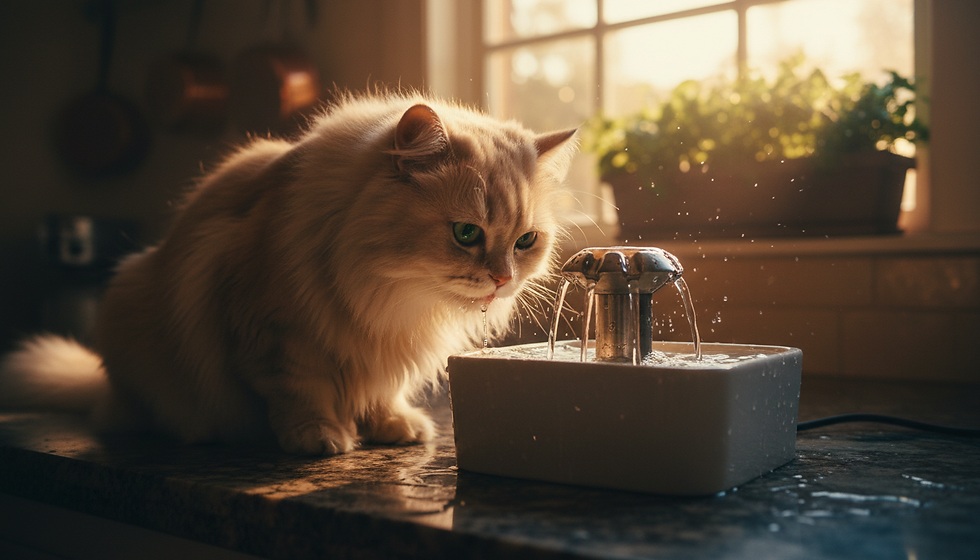
Automatic Pet Water Fountain
Proper hydration supports kidney health and overall immune function in cats. Many cats prefer running water over a still bowl, and a filtered pet fountain encourages them to drink more throughout the day. This is a simple, low-effort way to support your indoor cat's long-term health.
As an Amazon Associate, we may earn from qualifying purchases. Prices and availability are subject to change. Always consult your veterinarian before starting any new supplement or health product for your cat.


Comments