Should You Spay or Neuter an Indoor Cat That Never Goes Outside Pros and Cons


Your cat has never stepped a paw outside. She has no contact with other animals, no risk of getting pregnant, and no chance of roaming the neighborhood. So the question feels reasonable: if there is zero chance of reproduction, is spaying or neutering really necessary?
It is a question more cat owners are asking, and the answer is more nuanced than a simple yes or no. The procedure carries real benefits, real risks, and a few things that depend entirely on your cat's individual situation. This guide breaks all of it down so you can make an informed decision with your vet.
Disclaimer: This article is for informational purposes only and does not constitute veterinary medical advice. Always consult a licensed veterinarian before making health decisions for your pet.
Why People Ask This Question
The traditional reasons to spay or neuter a cat are well known: prevent unwanted litters, reduce stray populations, and control the spread of disease between animals. For a cat that lives entirely indoors and never interacts with other animals, those reasons seem to disappear.
Some owners worry about putting their cat through surgery unnecessarily. Others have heard that the procedure can cause weight gain or increase the risk of urinary problems. A small number simply feel that altering a cat's hormones is an unnatural intervention when the cat is not at reproductive risk.
These concerns are legitimate. But they are only one side of a more complete picture. The decision is not just about pregnancy prevention. Reproductive hormones affect nearly every system in a cat's body, and those effects do not stop at the front door.
The Case For: Reasons to Spay or Neuter Your Indoor Cat
The benefits of the procedure go well beyond population control. Here is what the research actually shows.
It Dramatically Reduces the Risk of Certain Cancers
Mammary tumors are one of the most serious health threats for intact female cats. Around 90% of feline mammary tumors are malignant, meaning they spread fast and are difficult to treat. Spaying a female cat before her first heat cycle reduces her risk of developing mammary cancer by approximately 91%. Spaying before age one still provides an 86% reduction.
Spaying also eliminates the risk of ovarian and uterine cancers entirely, since those organs are removed during the procedure. For male cats, neutering removes the risk of testicular cancer and reduces the likelihood of prostate-related problems.
None of these risks are connected to whether your cat goes outdoors. They are driven purely by reproductive hormones.
It Prevents Pyometra, a Life-Threatening Infection
Pyometra is a severe bacterial infection of the uterus that affects unspayed females. The uterus fills with pus, and without emergency surgery, the condition can cause fatal sepsis within days. Roughly 25% of intact female cats develop pyometra by age 10, according to veterinary data.
It strikes without warning. A cat can seem perfectly healthy one week and be critically ill the next. Spaying is the only guaranteed way to prevent it, and the procedure costs far less than emergency treatment for pyometra if it occurs.
It Extends Lifespan, Sometimes Significantly
Studies out of the UK found that spayed females live an average of 13.2 years, compared to 10.9 years for intact females. Neutered males average 11.8 years, versus 9.4 years for intact males. That is a meaningful gap, and it holds even for indoor cats.
The longer lifespan is largely tied to the disease-prevention benefits described above, combined with the behavioral changes that reduce stress on the cat's body over time.
It Eliminates Heat Cycles and the Stress That Comes With Them
An unspayed female cat typically goes into heat every two to three weeks during breeding season, which can stretch from early spring all the way through fall. During that time, she will yowl loudly (often through the night), become restless, rub against everything, lose her appetite, and sometimes lose weight.
This is not just inconvenient for you. It is physically and mentally taxing for her. Repeated heat cycles without pregnancy create chronic hormonal stress on the body. Spaying stops that cycle entirely and gives her a more stable, comfortable daily life.
It Reduces Problematic Behaviors in Both Sexes
Intact male cats spray urine to mark territory. The smell is strong, difficult to remove from furniture and walls, and extremely persistent. Research shows that neutering reduces or stops urine spraying in about 87% of male cats.
Neutering also cuts down on aggression toward people or other pets in the home (88% reduction in fighting behavior), and it dramatically reduces the urge to bolt through an open door in search of a mate. That escape instinct is one of the leading causes of indoor cats ending up lost or injured.

The Case Against: Real Risks and Drawbacks to Know
The benefits are substantial, but the procedure is not without trade-offs. These are the genuine downsides you should weigh.
Weight Gain Is a Real and Common Outcome
This is probably the most well-documented side effect. Spaying and neutering reduce a cat's metabolic rate by roughly 25 to 33%. At the same time, the procedure can increase appetite. Neutered cats are two to three times more likely to become obese if their food intake is not carefully managed after surgery.
For indoor cats that already get less exercise than outdoor cats, this risk is amplified. Obesity in cats leads to diabetes, joint problems, liver disease, and a shortened lifespan, which undercuts some of the longevity benefits of the procedure.
The good news is that this is entirely manageable. Switching to a post-neuter formula cat food, measuring portions precisely, and encouraging daily play can keep your cat at a healthy weight. It requires attention, but it is not a complicated fix.
Urinary Tract Issues Can Increase, Especially in Males
Neutered male cats have a higher risk of Feline Lower Urinary Tract Disease (FLUTD) and urethral blockages. Their urethra is narrower than a female's, and hormonal changes after neutering can lead to more concentrated urine, which increases the chance of crystal or stone formation.
A urethral blockage is a medical emergency. If a male cat cannot urinate, it can be fatal within 24 to 48 hours. The risk is not caused by neutering alone (diet, hydration, and genetics all play a role), but the procedure can be a contributing factor in predisposed cats.
Feeding a urinary health diet, providing fresh water at all times, and using a water fountain to encourage drinking are all practical ways to reduce this risk after neutering.
Surgery Always Carries Some Risk
Spaying and neutering are among the most routine surgical procedures performed in veterinary medicine, but no surgery under general anesthesia is completely without risk. Reactions to anesthesia, post-operative infections, and bleeding complications are rare but possible.
Older cats or those with underlying health conditions carry a slightly higher risk than young, healthy animals. If your cat is older or has a known health condition, a full pre-surgical bloodwork panel is worth discussing with your vet before proceeding.
Hormonal Changes May Have Long-Term Effects Still Being Studied
Emerging research has found that neutering causes a significant and sustained rise in Luteinizing Hormone (LH) levels. Some researchers suggest elevated LH may be linked to conditions like chronic kidney disease, hyperthyroidism, and hypertension in cats over time. These findings are still early, and feline-specific studies are ongoing. This is not a reason to avoid the procedure, but it is a conversation worth having with a vet who stays current with veterinary research.
It Does Not Guarantee a Behavior Change
About 10% of neutered males and 5% of spayed females continue to spray urine after the procedure, typically due to stress, environmental triggers, or learned habits that formed before surgery. If your main motivation for spaying or neutering is to stop a specific behavior, know that the procedure improves but does not always eliminate it.

Pros and Cons at a Glance
Pros | Cons |
|---|---|
Reduces mammary cancer risk by up to 91% in females | Slows metabolism by 25-33%, increasing obesity risk |
Eliminates ovarian, uterine, and testicular cancers | Higher risk of FLUTD and urethral blockages in males |
Prevents pyometra, a potentially fatal uterine infection | Surgical and anesthesia risks, though small |
Extends average lifespan by 2-4 years | Does not guarantee elimination of spraying behavior |
Stops heat cycles and associated stress behaviors | Requires post-surgery dietary management |
Reduces urine spraying by ~87% in male cats | Emerging research on hormonal effects still ongoing |
Lowers escape drive and reduces accidental injury risk | Recovery requires 7-14 days of restricted activity |
What About Timing? Does Age Matter?
Yes, timing matters, and it can affect the degree of benefit your cat receives. The veterinary community has largely adopted the "Feline Fix by Five" guideline, which recommends sterilizing kittens by five months of age, before the first heat cycle begins.
Spaying before the first heat provides the greatest cancer-prevention benefit. Waiting until after the first or second heat reduces that advantage substantially. For male cats, neutering before sexual maturity (around six months) is more likely to prevent territorial and spraying behaviors from becoming established habits.
That said, adult and senior cats can still benefit from the procedure, particularly for disease prevention. Age alone is not a reason to skip it. The key is a veterinary assessment to make sure your cat is healthy enough for anesthesia before proceeding.
Special Situations Worth Considering
You Have More Than One Cat
Even if you have two cats that are both "indoor only," an intact male and an intact female housed together can and will breed. Cats do not need access to the outdoors to reproduce. If you have multiple cats of different sexes, spaying and neutering both becomes important for preventing unintended pregnancies.
Your Cat Sometimes Escapes or Has Access to a Patio
The phrase "indoor cat" covers a wide range of situations. Some cats spend time on an enclosed patio (a "catio"), others slip out the front door occasionally, and some live in households where doors are opened frequently. If there is any realistic chance of your cat encountering another cat, even briefly, the risk of pregnancy or disease transmission rises significantly.
Your Cat Is Already Showing Behavioral Issues
If your intact male is already spraying, or your female is yowling and acting restless through the night, these behaviors are driven by reproductive hormones. Neutering or spaying at this stage will likely reduce those behaviors, though the earlier it is done, the better the outcome tends to be.
What Do Vets Actually Recommend?
The consensus among veterinary organizations, including the American Veterinary Medical Association and the Feline Veterinary Medical Association, is clear: spaying and neutering are recommended for the vast majority of cats, including those that live entirely indoors.
Their position is not primarily about preventing overpopulation for indoor cats. It is about long-term health. The disease-prevention benefits, the lifespan extension, and the reduction of chronic hormonal stress are considered significant enough to recommend the procedure even when reproductive risk is zero.
That said, veterinary medicine is not one-size-fits-all. Some vets who specialize in feline care are taking a closer look at individual factors, particularly in light of the emerging hormone research. The best approach is an open conversation with your vet, where you discuss your cat's specific breed, age, health history, and lifestyle before making a final call.

How to Manage the Risks After the Procedure
If you decide to go ahead with the procedure, these steps will help keep your cat healthy afterward.
Switch to a post-neuter diet. Many pet food brands make formulas specifically designed for neutered cats, with lower calorie counts and urinary support. Transition to one within a few weeks of surgery.
Measure food portions exactly. Free-feeding (leaving a bowl out all day) is the fastest path to obesity in a neutered cat. Use a measuring cup and follow your vet's caloric guidelines.
Encourage daily play. Interactive toys, laser pointers, and feather wands keep your cat active and mentally stimulated. Even 15 minutes of engaged play per day makes a difference.
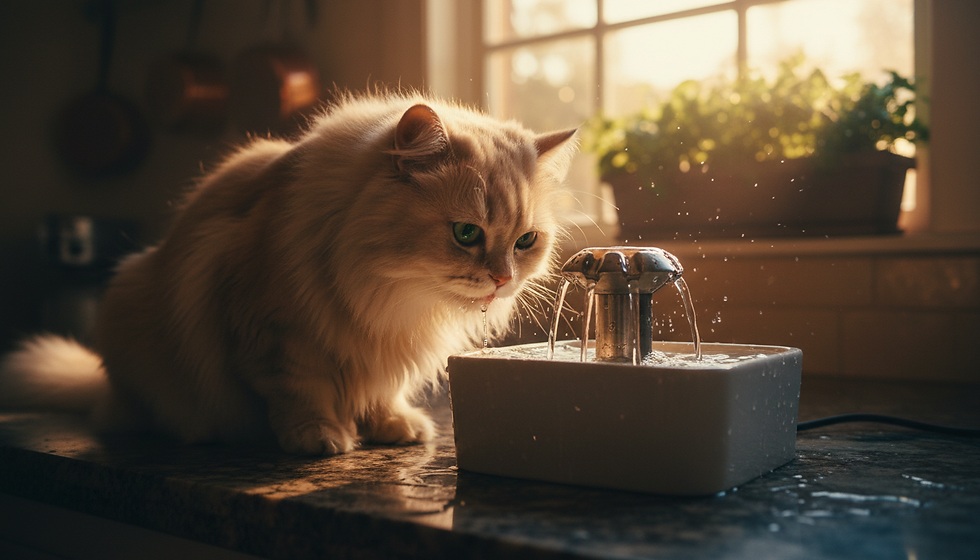
Provide a water fountain. Cats are notoriously low water drinkers. A running water fountain encourages more hydration, which directly reduces the risk of urinary issues.
Monitor the incision site. For the first 10 to 14 days after surgery, check the incision daily for redness, swelling, or discharge. Keep your cat from licking the area using a recovery collar if needed.
Schedule regular vet check-ups. Annual wellness visits catch any developing issues early, whether related to the procedure or not.
Recommended Products for Your Neutered Cat
These are the four categories of products your vet will likely mention after the procedure. Each one directly addresses the key risks covered in this article.
As an Amazon Associate, this site earns from qualifying purchases. Prices and availability may vary.

Post-Neuter Cat Food
Neutered cats need 25 to 33% fewer calories after surgery. Formulas from Royal Canin Sterilised, Purina Pro Plan Sterilised, and Hill's Science Diet Adult are designed specifically to support a healthy weight and urinary tract function in neutered cats.

Cat Water Fountain
Encouraging your cat to drink more water is one of the most effective ways to reduce the risk of urinary blockages after neutering. The PETLIBRO Dockstream and PetSafe Drinkwell 360 are top-rated options that use continuous flow to attract cats to drink consistently throughout the day.
Recovery Collar
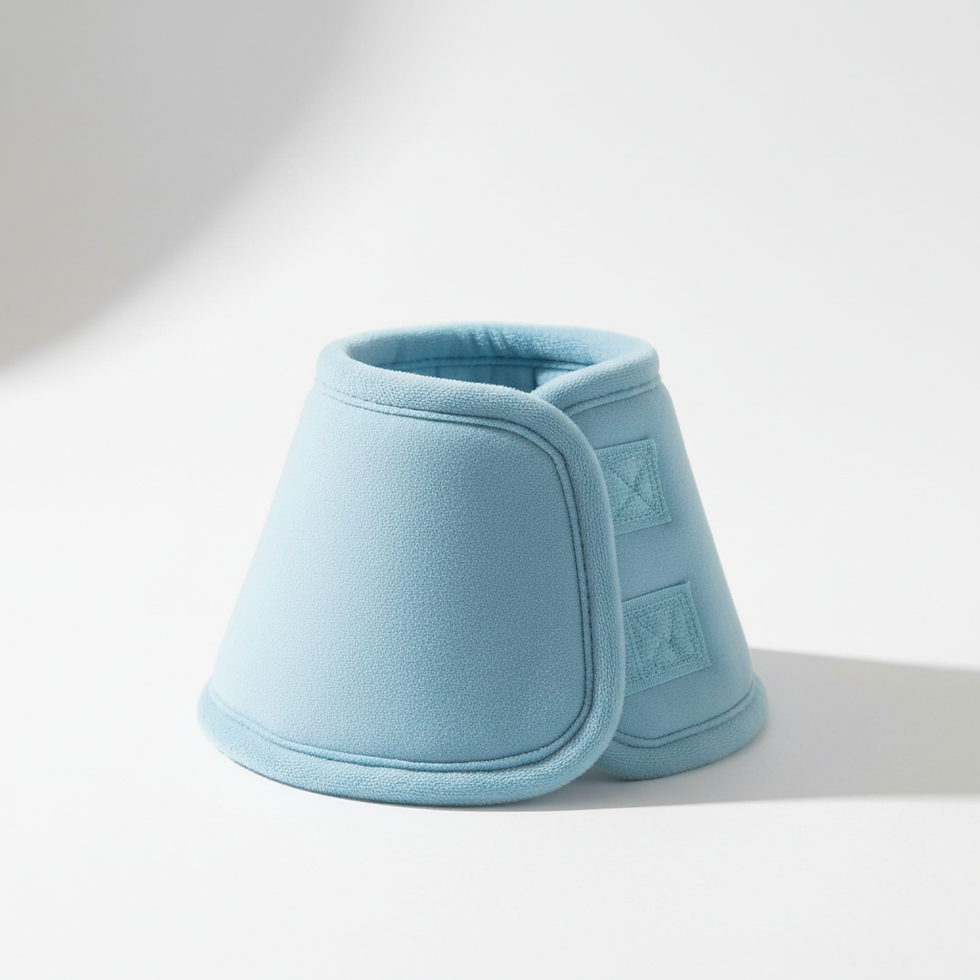
Your cat will need to be prevented from licking the incision site for 10 to 14 days after surgery. Soft recovery collars like the All Four Paws Comfy Cone are far more comfortable than traditional plastic cones and still keep the wound protected. The Suitical Recovery Suit is a great alternative if your cat refuses any collar.
Interactive Toys
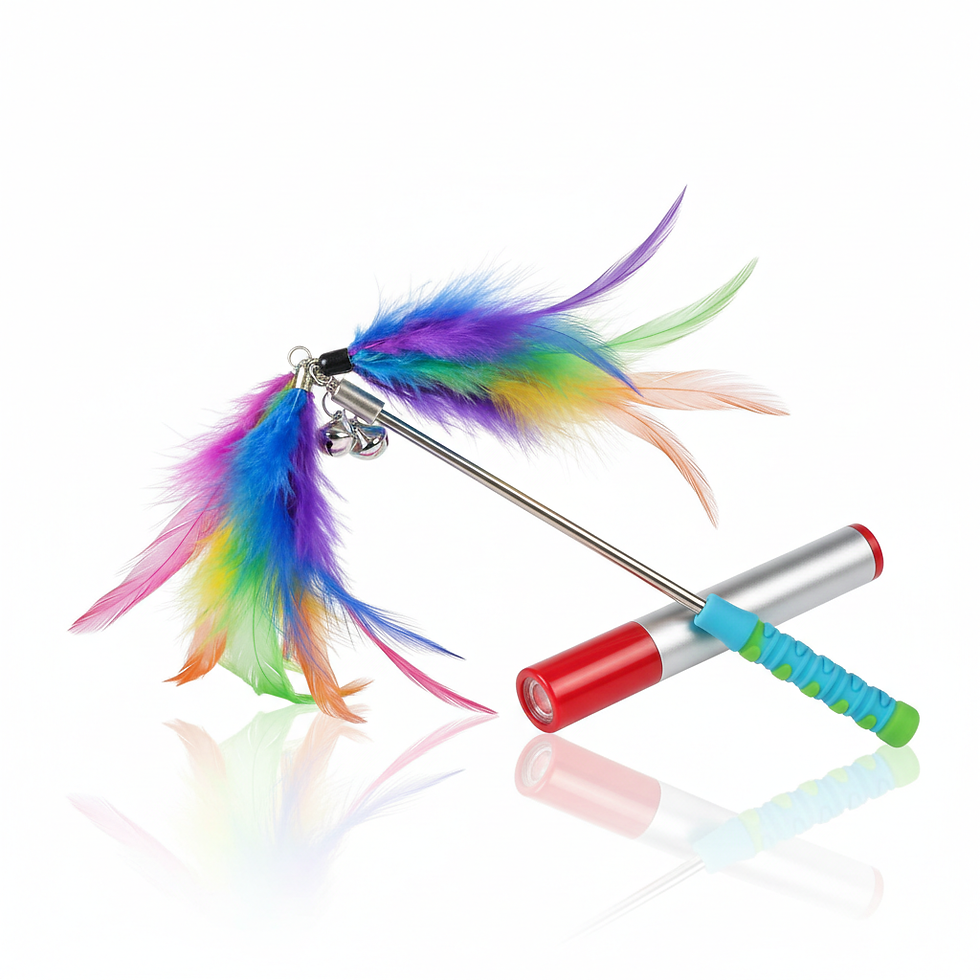
Daily play is essential for keeping a neutered indoor cat at a healthy weight. The MeoHui Retractable Wand comes with 9 interchangeable attachments and gives you full control of the session. For hands-free play, the PetSafe Dancing Dot automatic laser runs random patterns and can be set on a timer throughout the day.
The Bottom Line
For most indoor cats, the benefits of spaying or neutering outweigh the risks by a significant margin. The procedure is not just about preventing kittens. It is about protecting your cat from serious, preventable diseases, reducing chronic physical stress caused by heat cycles, and in most cases, extending the years you have together.
The risks, particularly weight gain and urinary health, are real but manageable with the right diet, hydration, and exercise habits. They should inform how you care for your cat after surgery, not necessarily whether you have the surgery at all.
There are legitimate reasons to think carefully before scheduling the procedure, especially if your cat is older, has health complications, or you have concerns about anesthesia. In those cases, talk to your vet. Get the full picture for your specific animal.
But for a young, healthy kitten settling into a lifetime indoors? Most vets will tell you: do it early, do it before the first heat cycle, and give your cat the longest, healthiest life you can.


Comments