Cat Hydration and Kidney Health Wet Food Fountain


Why Your Cat Is Almost Always Thirsty and Doesn't Know It
Most cat owners have noticed it: the water bowl sits untouched for hours while the kibble disappears in seconds. This is not pickiness. It is biology. Your cat's body was built to survive in a desert, and that ancient wiring is quietly working against their health every single day.
Domestic cats descend from the Near Eastern wildcat (Felis lybica), a solitary hunter that roamed the arid landscapes of the Middle East and North Africa. In those environments, standing water was rare. Survival meant getting almost all hydration from prey: mice, birds, and lizards. Fresh-caught prey contains roughly 70–80% water, which is more than enough to keep a cat's kidneys running smoothly.
Over thousands of years, this shaped a cat's thirst drive to be remarkably weak. Research shows cats do not typically feel thirsty until they reach around 4% dehydration. Humans feel thirsty at just 1–2%. That difference may seem small, but it means your cat can be chronically under-hydrated without ever feeling the urge to drink more.
The Kidney Problem No One Talks About
A cat's kidneys are extraordinary organs. They contain an elongated loop of Henle that allows for extreme water reabsorption, producing urine that is far more concentrated than that of most other mammals. This was a life-saving trait in the desert. In a modern home, it is a slow-burning risk.
When cats eat dry kibble, which contains only 6–10% moisture, they rarely drink enough water to compensate. The kidneys keep working hard to concentrate urine, day after day, year after year. Over time, this constant strain causes cellular damage that the body cannot repair.
The result is Chronic Kidney Disease (CKD), one of the most common and serious conditions in cats. Around 30–40% of cats over the age of 10 develop CKD, and that number climbs to roughly 80% in cats over 15. It is the leading cause of death in older cats.
CKD is not curable. Once kidney function is lost, it does not come back. But it is largely preventable, and the single most powerful tool is consistent, adequate hydration throughout your cat's life.
Urinary Blockages: A Faster, More Urgent Danger
Kidney disease is a slow threat. Urinary blockages are not. Highly concentrated urine creates the perfect conditions for mineral crystals, struvite or calcium oxalate, to form in the bladder. Those crystals can combine with mucus to form a plug that blocks the urethra, particularly in male cats whose urethras are narrower.
A full urinary blockage is a life-threatening emergency. A cat that cannot urinate will go into acute kidney failure within 24–48 hours. Treatment requires emergency veterinary care, often including hospitalization, catheterization, and IV fluids. The average cost ranges from $1,500 to $3,000 or more.
Keeping urine diluted, through higher moisture intake, is the most direct way to reduce crystal formation and lower this risk significantly.
Wet Food: The Simplest Upgrade You Can Increase Hydration
Switching from dry kibble to wet food, or adding wet food to your cat's diet, is one of the most impactful things you can do for their long-term health. Wet food contains 70–80% moisture. That means every meal your cat eats delivers a meaningful amount of hydration without relying on their weak thirst drive at all.
Veterinary nutritionists describe this as "stealth hydration." The cat gets water without needing to seek it out. Urine becomes more dilute, the kidneys work less hard, and crystal-forming minerals stay flushed through the system before they can accumulate.
For cats already diagnosed with CKD, wet food is especially valuable. It is more palatable when nausea is present, supports hydration at a time when the kidneys need help most, and many therapeutic renal diets come in wet formulas specifically designed to reduce phosphorus and support kidney function.
Even a partial switch helps. Replacing one dry meal per day with a quality wet food makes a measurable difference in daily moisture intake.
Pet Water Fountains: Working With Your Cat's Instincts
Cats are instinctively drawn to moving water. In the wild, still water is more likely to be stagnant and unsafe. Running water signals freshness. A pet water fountain taps directly into that instinct, and the difference in how much cats drink can be significant.
A study published in the Journal of Feline Medicine and Surgery found that cats drank measurably more from flowing fountains than from still bowls. Beyond volume, fountains also offer practical advantages: continuous filtration removes impurities and keeps the water oxygenated, which improves taste. Research has even linked filtered water to a lower risk of developing CKD compared to tap water, which may carry contaminants that stress the kidneys over time.
For cats with early CKD, some smart fountains track daily intake volume. A 15% increase in drinking can be an early sign of polydipsia, a symptom that often appears months before other clinical signs. Catching that change early gives veterinarians a much better window for intervention.
Amazon Picks: Our Top Recommendations
This section contains affiliate links. We may earn a small commission if you purchase through these links, at no extra cost to you. All products are selected based on quality and relevance.

Petlibro Dockstream Fountain
Wireless pump design keeps cords out of the water entirely. Whisper-quiet motor and 2.5L capacity make it ideal for multi-cat households. Triple-layer filtration keeps water clean and fresh-tasting.

PetSafe Drinkwell Pagoda
Dual free-falling streams encourage cats to drink more. Heavy ceramic build is antibacterial, dishwasher-safe, and blends beautifully into any home. A great pick for cats who prefer ceramic over plastic.

Petkit Eversweet Max
Built-in UVC sterilization, app-based hydration tracking, and multi-stage filtration. Ideal for cat owners who want data on how much their cat is drinking, especially useful for cats managing early kidney disease.
Top Wet Food Picks
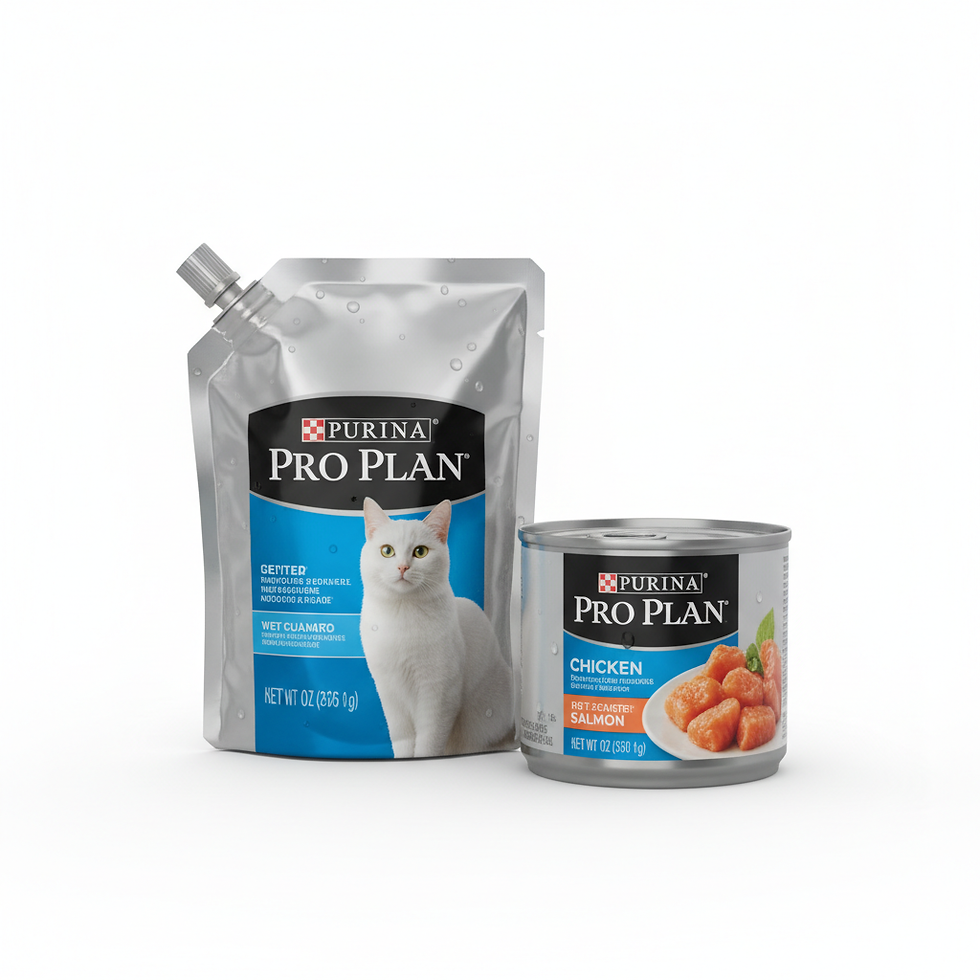
Purina Pro Plan Complete Essentials
One of the most frequently recommended wet foods by veterinarians. High-protein, high-moisture formula designed to support urinary tract health. Widely available and highly palatable, even for picky eaters.

Tiki Cat After Dark
Shredded real meat in a rich, high-moisture broth that mimics a cat's natural prey diet. Organ meats included for nutritional completeness. A great option for cats transitioning from dry food, as the texture and aroma make it hard to resist.
Practical Steps You Can Start Today
Replace at least one dry meal per day with a quality wet food.
Place water bowls and fountains away from the food bowl. Cats instinctively avoid water near their prey in the wild.
Use wide, shallow bowls. Cats dislike when their whiskers touch the bowl edges.
Try filtered or bottled water if your cat consistently avoids tap water.
Clean water bowls and fountain reservoirs at least every two to three days to prevent biofilm buildup.
Monitor how much your cat drinks. A noticeable increase or decrease in intake is worth a vet visit.
The Bottom Line
Your cat's desert ancestry is not going away. Their thirst drive will always be weaker than their body actually needs, and dry food alone will never bridge that gap. The good news is that the fix is simple, affordable, and available right now. Wet food and a good water fountain are not luxuries. They are two of the most evidence-backed investments you can make in your cat's long-term health.
Start small if needed. Even partial changes add up over years of a cat's life, and years of healthy kidney function are absolutely worth the switch.
Veterinary Disclaimer
This blog post is intended for general informational purposes only and does not constitute veterinary medical advice, diagnosis, or treatment. Every cat is unique, and individual health needs vary based on age, breed, weight, existing conditions, and other factors. The information shared here reflects general research and publicly available guidance and should not replace a professional consultation with a licensed veterinarian.
If your cat is showing signs of illness, changes in drinking or urination habits, lethargy, vomiting, or any other concerning symptoms, please contact your veterinarian promptly. For cats already diagnosed with Chronic Kidney Disease or urinary tract conditions, dietary and hydration decisions should always be made in consultation with your vet or a board-certified veterinary nutritionist.
Always see a veterinarian for personalized advice about your cat's health.


Comments