Should You Get an Axolotl Pet Care Cooling Needs and Top Picks

Axolotls are having a moment. Their alien-like frilly gills and perpetual smile have made them one of the most talked-about exotic pets on the internet. But before you search for one at your local pet store, there is something worth knowing: rescues across the country are full of them.
Axolotls are surrendered constantly, mostly by people who bought one on impulse and had no idea what they were signing up for. So the first real question is not "how do I care for one?" It is "should I get one at all, and if so, where do I get it from?"


The Rescue Problem Nobody Talks About
Organizations like Libertyland Axolotl Rescue, the first and largest axolotl-exclusive nonprofit in the United States, process a steady stream of surrendered animals. Most came from people who thought axolotls were low-maintenance fish. They are not fish. They are aquatic salamanders with very specific needs, and when those needs are not met, they deteriorate fast.
Adopting from a rescue typically costs between $50 and $100. That is often less than buying from a breeder, and rescues screen their adopters, give you health notes on the animal, and offer ongoing support. Chain pet stores, by contrast, are often keeping axolotls in warm water on gravel substrate, which causes chronic stress and injury. Buying from those environments does not save the animal. It funds the cycle.
If you are serious about getting an axolotl, start with a rescue. Search for Libertyland Axolotl Rescue, Lotl Love Axolotl Rescue, Austin Axolotl Rescue, or check local amphibian groups on social media. There is almost certainly one near you waiting for a home.
So You Have Decided to Get One. Here Is What You Actually Need.
Axolotls are not hard to care for once your setup is right. The challenge is that "right" is non-negotiable on a few key points.
Tank Size
Start with a minimum of 20 gallons for one axolotl. Add 10 gallons for each additional animal. They produce a lot of waste, so more water volume is always better. A 40-gallon breeder tank is a popular choice because it offers floor space without excessive depth.
Substrate and Decor
Skip gravel entirely. Axolotls will eat it and it causes fatal impactions. Your options are bare bottom, large river rocks (too big to swallow), or fine sand. For decor, use smooth hides like PVC pipes, caves, or ceramic pots. Avoid anything sharp or rough that could damage their delicate skin or gills.
Filtration
You need a cycled tank before the animal goes in. Axolotls are sensitive to ammonia and nitrite spikes. Run a sponge filter or a canister filter with a spray bar to reduce strong currents, which stress axolotls. Test your water weekly for ammonia, nitrite, nitrate, and pH. Aim for pH between 7.0 and 8.0.
Feeding
Axolotls eat earthworms, bloodworms, axolotl pellets, and occasionally small feeder fish. They do not graze. Feed juvenile axolotls daily and adults every 2 to 3 days. Remove uneaten food within a few hours to keep water quality clean.
Lighting
Axolotls have no eyelids and are sensitive to bright light. Keep lighting low or provide plenty of shaded hiding spots. A standard planted tank light on a timer works well, as long as your animal has somewhere dim to retreat.
The Water Temperature Question (And What Pet Stores Get Wrong)
This is where most people get confused, and where a lot of axolotls die.
Axolotls need water between 60 and 68°F (16 to 20°C). Their ideal sweet spot is 60 to 64°F. Above 72°F (22°C), they enter a danger zone. Above 74°F (23°C), they can die within days from heat shock and organ failure.
Many pet stores will tell you their axolotls are "conditioned" to warmer water. This is not true. There is no biological mechanism that allows an axolotl to adapt to tropical temperatures. What you are seeing in a warm pet store tank is not a conditioned animal. It is a stressed one. Chronic heat speeds up their metabolism, suppresses their immune system, and makes them vulnerable to fungal infections like Saprolegnia. It shortens their life.
In good conditions, an axolotl can live 10 to 15 years, with some reaching 20. In warm water, that number drops sharply. Many do not make it past 5 years.
Do You Really Need a Water Chiller?
The honest answer is: it depends on where you live and what season it is.
If your home stays reliably below 70°F year-round, you may be fine without one. A clip-on aquarium fan can drop water temperature by 2 to 4 degrees through evaporation, and frozen water bottles can help during heatwaves. Some keepers keep their axolotl tank in a basement where temperatures are naturally cool.
But if you live somewhere with hot summers, or if your home regularly reaches 72°F or above, a chiller is not optional. It is life support. Aquarium chillers designed for axolotl tanks typically range from $150 to $500 depending on tank size. That is a real cost. But it is far less than the emergency vet bill for a heat-stressed axolotl, and far less heartbreaking than losing the animal entirely.
The short answer: do not gamble. Know your climate, monitor your water temperature daily, and invest in cooling before summer arrives, not during it.
Axolotl Essentials on Amazon
If you are setting up a tank for the first time, these are the categories worth shopping for. Always verify current reviews and confirm the product fits your specific tank size before purchasing.

Water Chiller
Keeps water in the safe 60–68°F range. Look for chillers rated for your tank volume. Popular picks include units from Aqua Euro USA and IceProbe.
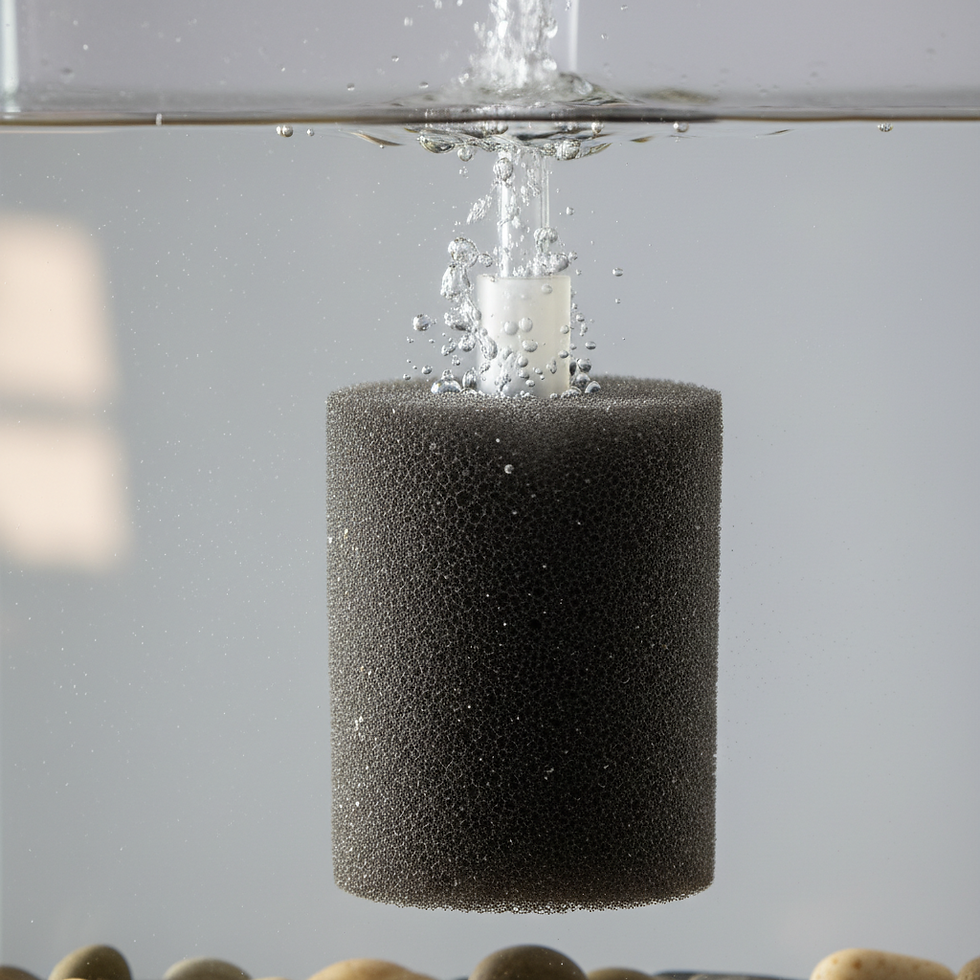
Sponge Filter
Gentle filtration that will not pull in your axolotl or create strong currents. Pair with an air pump. Great for 20 to 40-gallon tanks.

Water Test Kit
The API Freshwater Master Test Kit is the gold standard. Tracks ammonia, nitrite, nitrate, and pH. Weekly testing keeps your axolotl safe.

Fine Sand Substrate
Safe for axolotls to walk and rest on. Pool filter sand or aquarium sand works well. Avoid calcium-based sands that alter pH.

Clip-On Aquarium Fan
A budget-friendly first line of defense. Can drop tank temperature by 2 to 4°F through evaporation. Best used in mild climates or as a backup.

Axolotl Food and Worms
Hikari axolotl pellets and freeze-dried bloodworms are reliable staples. Live or frozen earthworms are the most nutritious option for adults.
Disclosure: Links above are Amazon affiliate links. If you purchase through them, this site may earn a small commission at no extra cost to you.
The Bottom Line
Axolotls are genuinely rewarding pets for the right person. They are interactive in their own quiet way, they are fascinating to watch, and with proper care they can live as long as a cat or dog. But they are not starter pets, and they are not fish. They have real needs that cannot be skipped.
Check a rescue first. Set up your tank before the animal arrives. Get a thermometer and check the temperature every day. And if your home gets warm in summer, budget for a chiller before you need one, not after. That one decision is the difference between a thriving axolotl that lives 15 years and one that barely makes it through its first summer.


Comments