Betta Fish Care Guide: How to Care for a Betta Fish (Tank, Food & Health)

Updated: Jun 7
Betta fish are stunning, intelligent, and full of personality. With proper betta fish care, they can live 3–5 years, and sometimes longer in ideal conditions.
However, many bettas are kept in small bowls or unheated tanks, which leads to stress, illness, and shortened lifespans.
This guide will show you exactly how to set up a healthy environment and keep your betta thriving—not just surviving.

Why Proper Betta Care Matters
Betta fish are often misunderstood as “low-maintenance” pets, but they actually require:
Stable warm water
Proper filtration
High-protein diet
Enrichment and space
Poor conditions can lead to:
Fin rot
Stress-induced illness
Weak immune system
Shortened lifespan
Betta Fish Care: Choosing the Right Tank
The single biggest thing you can do for your betta is give it enough space. A 5-gallon tank is the accepted minimum for long-term health, but a 10-gallon tank is even better, especially for beginners, because larger volumes of water stay stable much more easily.
Bowls and tanks under 2.5 gallons cause rapid swings in temperature and water quality that silently stress your fish. Bettas look fine until they're not, and by the time symptoms appear, the damage is often already done.
A few non-negotiables for the tank setup:
A secure lid. Bettas are strong jumpers and will launch themselves out of open tanks.
A gentle filter. A sponge filter works well because it creates minimal flow. Strong currents shred betta fins and exhaust the fish.
A heater. Bettas are tropical fish. They need water between 78°F and 80°F (25.5°C to 27°C) at all times.
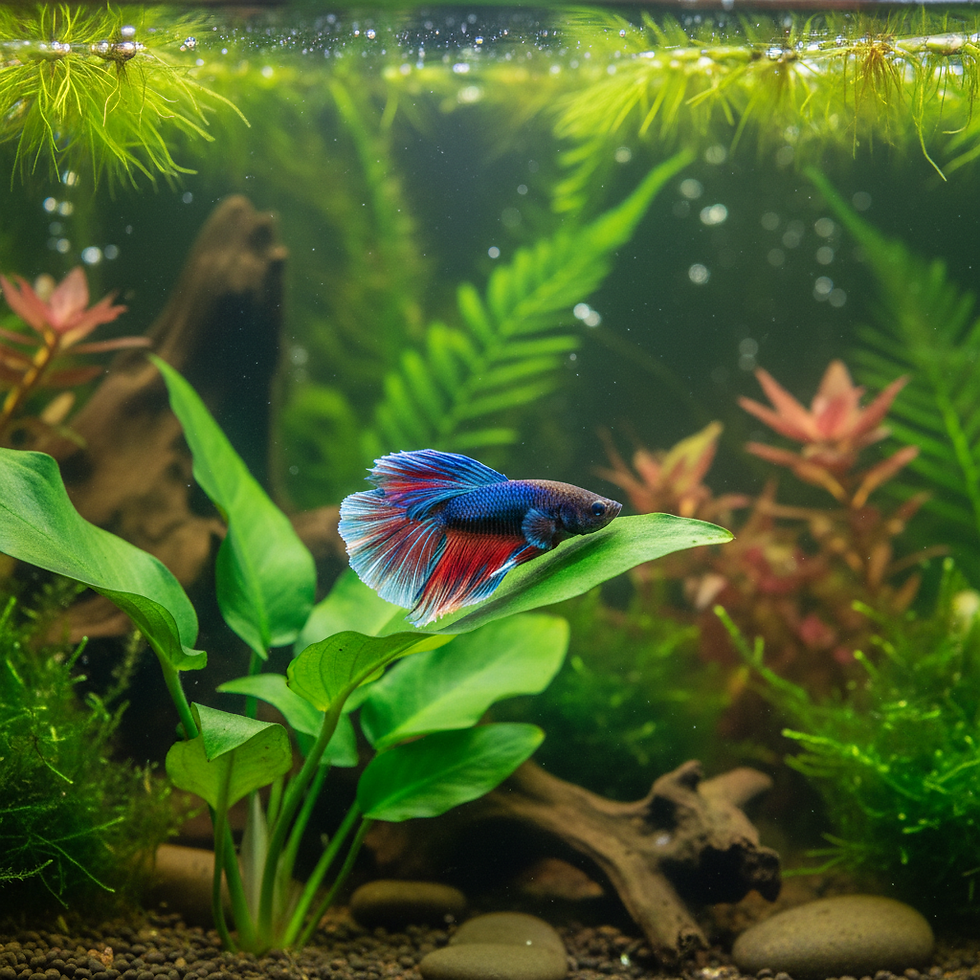
Soft decor. Live plants like Anubias and Java Fern are ideal. If you use artificial plants, choose silk over hard plastic, which can tear delicate fins.
Betta Fish Care: Maintaining Clean, Stable Water
Water quality is one of the most important parts of betta fish care, and it is where most betta fish deaths originate. Tap water contains chlorine and heavy metals that are harmful to fish and must be removed before use. Always treat tap water with a dechlorinator before adding it to your aquarium to ensure safe and stable betta fish tank water conditions.
Do a 15 to 25% water change every week. This removes waste buildup (nitrates) without wiping out the beneficial bacteria your filter needs to function. Test your water regularly and aim for these parameters:
Ammonia: 0 ppm
Nitrite: 0 ppm
Nitrate: below 20 ppm
pH: 6.5 to 7.5
Ammonia and nitrite at any detectable level are dangerous. If your readings are off, do an immediate partial water change and check whether your filter is running properly.
Betta Fish Care: Feeding Your Betta Properly
Bettas are carnivores. They need high-protein food, at least 40% protein content, from a pellet specifically formulated for bettas. Generic tropical fish flakes don't cut it.
A simple feeding routine that works:
Feed once or twice daily, spacing meals at least 8 hours apart.
Each serving should be about the size of your betta's eye, roughly 2 to 4 small pellets.
One or two times per week, offer a protein treat: frozen or freeze-dried bloodworms, brine shrimp, or daphnia. Daphnia also acts as a natural digestive aid.
Fast your betta one day per week. This prevents bloating, constipation, and Swim Bladder Disorder.
Overfeeding is one of the most common mistakes. Uneaten food decays fast and spikes ammonia. If pellets are still floating after two minutes, you're feeding too much.
Watch for Signs of Illness
Catching a problem early makes treatment far more successful. Learn to recognize the most common betta diseases:
Fin rot: Ragged, discolored fin edges. Caused by poor water quality. Treat with clean water first; advanced cases may require antibiotics like erythromycin.
Ich (white spot disease): Tiny white flecks that look like salt on the body. Gradually raise tank temperature to 82°F and use an anti-parasitic medication.
Velvet: A gold or rust-colored dusty sheen on the skin. Darken the tank and treat with a copper-based medication.
Dropsy: Severe bloating with scales raised outward like a pinecone. This is often fatal. Isolate the fish immediately and consult a vet if possible.
Popeye: One or both eyes bulging outward. Clean water plus broad-spectrum antibiotics can help in early stages.
Prevention beats treatment every time. Most of these conditions trace back to dirty water or a compromised immune system from cold or stress.
Betta Fish Care Tips to Keep Your Betta Mentally Stimulated
Bettas are curious, intelligent fish with distinct personalities. A bare, boring tank leads to lethargy, faded color, and a shorter life. Enrichment matters more than most people realize.
Ways to keep your betta engaged:
Mirror sessions: Hold a small mirror up to the glass for 2 to 5 minutes a day. Your betta will flare its fins, which gives it a full-body workout. Keep sessions short. More than 10 minutes causes chronic stress.
Rearrange the tank every few weeks. Moving plants, rocks, or driftwood gives your betta new territory to explore and patrol.
Try a floating ping pong ball or plastic ring. Many bettas will nudge and push objects around the surface.
Scatter food across the tank instead of dropping it in one spot. This mimics natural hunting behavior and keeps your fish active.
A happy betta shows it clearly. Look for vibrant color, energetic swimming, a healthy appetite, and bubble nests built at the water's surface. Bubble nests are a sign your betta feels safe and content, even if there's no female present.
Lighting and Environment
Bettas follow a natural day-night cycle. Aim for 8 to 12 hours of light per day, then darkness at night. Leaving the light on around the clock causes stress and disrupts sleep.
Blue lighting has been shown to promote calmer, more curious behavior, while red lighting can increase aggression. If your betta seems permanently agitated, lighting color is worth adjusting.
Keep the tank away from direct sunlight, which overheats the water and fuels algae growth. Also avoid high-traffic or noisy areas. Bettas stress easily from constant vibrations.
Housing and Compatibility
Male bettas cannot be housed with other male bettas as they will fight until one or both are seriously injured. A single male can live peacefully in a community tank with calm, non-fin-nipping species like corydoras catfish, ember tetras, or snails, provided the tank is large enough.
Avoid bright, showy tank mates that your betta might mistake for rivals. Guppies with long, colorful tails are a common problem pairing. Female bettas can sometimes be kept in groups called sororities, but this requires a larger tank with plenty of hiding spots and careful monitoring.
Build a Routine
Consistency is what separates good betta care from great betta care. A simple weekly routine makes it easy to stay on top of everything:
Every day: feed, observe behavior, check temperature.
Every week: partial water change, rinse the filter sponge in tank water (never tap water), test water parameters.
Every month: check equipment, clean the glass, assess decor for wear.
The more you watch your betta daily, the faster you'll notice when something is off. Changes in behavior, color, or appetite are often the first signs of trouble, and catching them early gives you the best chance of a quick fix.
Bettas are low-maintenance compared to many pets, but they are not no-maintenance. Give yours a proper setup, clean water, a varied diet, and a little daily attention, and you'll have a vibrant, personable fish that genuinely lights up its corner of your home.
🛒 Recommended Betta Fish Care Products (Beginner Setup Essentials)
Setting up a proper environment is the fastest way to keep your betta healthy, active, and long-lived. The products below are the core essentials for a stable aquarium setup.
🐠 Aquarium Tank (5–10 Gallon Recommended)
A properly sized tank is the foundation of good betta care. Small bowls cause unstable water conditions and stress.
🌡 Aquarium Heater (Essential for Tropical Fish)
Betta fish need warm, stable water between 78–80°F to stay healthy and active.
🌬 Sponge Filter (Gentle Filtration System)
Keeps water clean without strong currents that can damage delicate betta fins.
💧 Water Conditioner (Removes Harmful Chemicals)
Tap water must be treated to remove chlorine and heavy metals before it is safe for fish.
🧪 Aquarium Test Kit (Water Safety Monitoring)
Helps you monitor ammonia, nitrite, and nitrate levels to prevent invisible water problems.
🍤 High-Protein Betta Food (Staple Diet)
A protein-rich pellet diet is essential for energy, color, and long-term health.
⚠️ Affiliate Disclosure
PetsCentralHub participates in the Amazon Services LLC Associates Program. This means we may earn a small commission if you purchase through links on this page, at no additional cost to you. We only recommend products that are relevant to betta fish health, aquarium setup, and responsible fishkeeping.
Frequently Asked Questions About Betta Fish Care
Can betta fish recognize their owners?
Yes. Betta fish can recognize people through sight and routine. Many bettas learn to associate their owner with feeding time and may swim toward the glass when approached.
Can betta fish live in tap water?
Not directly. Tap water must always be treated with a water conditioner to remove chlorine, chloramine, and heavy metals before it is safe for betta fish.
Do betta fish need an air pump?
Not necessarily. Bettas breathe air from the surface, but a filter that gently moves water is still important for maintaining clean and stable conditions.
Why is my betta fish making bubble nests?
Bubble nests are a natural behavior in male bettas. It usually indicates the fish feels comfortable and secure in its environment, although it is not always a guarantee of health.
Why is my betta fish losing color?
Color loss can be caused by stress, poor water quality, low temperatures, illness, or old age. Improving tank conditions often helps restore vibrancy.
How often should I clean a betta fish tank?
You should perform a partial water change (15–25%) every week. Full tank cleanings are not recommended as they disrupt beneficial bacteria.
Do betta fish need plants in their tank?
Plants are highly recommended. Live or silk plants provide hiding spots, reduce stress, and make the environment more natural and stimulating.
Why is my betta fish floating or sinking?
This may indicate swim bladder issues caused by overfeeding, constipation, or poor water quality. Diet adjustments and fasting often help mild cases.


Comments